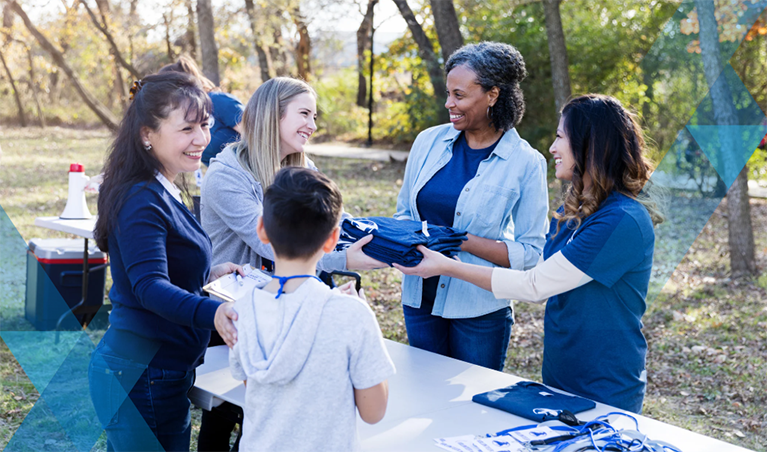


The digital age has transformed the way people communicate, work, and build relationships. Social media platforms, messaging apps, and remote work tools allow instant interaction across continents. While these innovations have increased convenience and accessibility, they have also reduced face to face interactions. As daily routines shift toward screens and virtual spaces, the importance of strong community connections has become more evident than ever. People are rediscovering that meaningful relationships, shared experiences, and local support networks are essential for emotional wellbeing, social stability, and long term resilience.
The Shift From Physical to Digital Interaction
Technology has reshaped communication patterns. Video calls replace family visits, online forums substitute neighborhood gatherings, and social feeds often stand in for real life conversations. While digital platforms provide efficiency, they cannot fully replicate the emotional depth of in person interaction. Human connection relies on empathy, body language, and shared physical experiences.
Ironically, constant connectivity can lead to isolation. Many people stay updated with latest australian business news or global events through their devices, yet feel disconnected from the people living next door. This growing paradox highlights why communities must intentionally create opportunities for real engagement.
Why Community Belonging Matters More Than Ever
A strong sense of belonging improves mental health and fosters resilience. When individuals feel connected to a community, they are more likely to experience reduced stress, improved self esteem, and greater life satisfaction. Neighborhood groups, volunteer organizations, cultural associations, and local events help create bonds that technology alone cannot provide.
Shared community experiences also encourage mutual support. Whether it is helping a neighbor during illness or organizing support during difficult times, local networks create safety nets. In a world often focused on business net worth and financial success, community reminds individuals that human value extends far beyond economic measures.
Digital Platforms as Gateways to Real Connections
While technology can distance people, it can also serve as a bridge to stronger relationships. Social platforms allow individuals to discover local interest groups, community initiatives, and social events. Online tools help coordinate volunteer work, neighborhood safety groups, and fundraising efforts.
For example, social media trends such as vip instagram communities bring people together around shared interests, from fitness and photography to entrepreneurship and education. When used intentionally, digital spaces can foster offline friendships and support networks rather than replace them.
Shared Knowledge Strengthens Communities
Communities thrive when members exchange knowledge and skills. Local workshops, mentoring programs, and educational meetups allow people to learn from one another. In today’s knowledge driven society, these exchanges help individuals stay informed and adaptable.
Even technical communities form strong bonds through collaboration. Groups that share expertise in tools such as ghidra software demonstrate how knowledge sharing can create supportive networks that extend beyond professional growth. Learning together fosters trust, respect, and long lasting relationships.

Creativity and Collaboration in the Digital Age
Modern communities are not limited to physical spaces. Creative collaboration now occurs both online and offline. Artists, content creators, and entrepreneurs frequently build supportive circles that encourage innovation and growth.
Creative tools and editing platforms have enabled individuals to collaborate across locations. Communities that form around digital creativity, including those sharing tutorials like capcut mod apk download, often evolve into supportive networks where members share feedback, resources, and opportunities. These collaborative spaces show how shared interests can strengthen social bonds.
Rebuilding Community in a Screen Focused World
As digital convenience continues to shape lifestyles, rebuilding real world connections requires intentional effort. Simple actions can strengthen community ties:
- Participating in local events and neighborhood initiatives
- Supporting local businesses and community projects
- Volunteering for social causes
- Joining clubs, hobby groups, or cultural organizations
- Organizing meetups or discussion circles
Small acts of engagement create ripple effects that strengthen social cohesion.
The Future of Community in a Digital Society
The future will not be defined by choosing between digital and physical interaction but by balancing both. Technology will continue to evolve, but human connection remains a fundamental need. Communities that blend digital coordination with real world engagement will be more resilient, inclusive, and supportive.
In an increasingly digital society, meaningful relationships provide stability, purpose, and belonging. Community connections foster empathy, resilience, and shared growth. As individuals navigate a fast paced, technology driven world, the strength of their communities will remain a vital foundation for wellbeing and collective progress.